
Landscape Painting: Nature as the Artist’s Muse
Landscape painting captures the harmony between nature and emotion. From Bosch’s fantastic worlds to Turner’s storms and Van Gogh’s vibrant skies, artists have long explored how light, color, and atmosphere express the human spirit. This genre, ever-evolving, remains one of art’s most poetic reflections of the world around us.
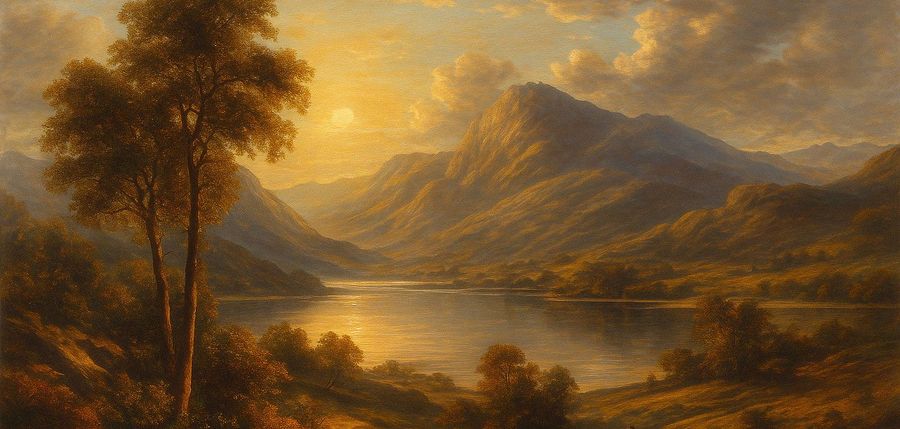
Landscape painting developed as a genre in its own right starting from the end of the 16th century, evolving rapidly in the preferences of artists, becoming, in a short time, their favorite expression.
This option was possible due to the openness that such a type of image offers to the artist but also to the receiver not only on an epic or pictorial level but especially on an emotional one. This is the reason why, for almost half a millennium, it has constituted - and the subject is still far from being exhausted - one of the most fascinating and complex adventures of the universal artistic phenomenon.
Of course, Romanian art , as much as it exists, has been seriously marked by the subject, not only through influence, as has now been too often asserted, but also because of our genetic substance.
Classifications of the types of landscapes approached by artists:
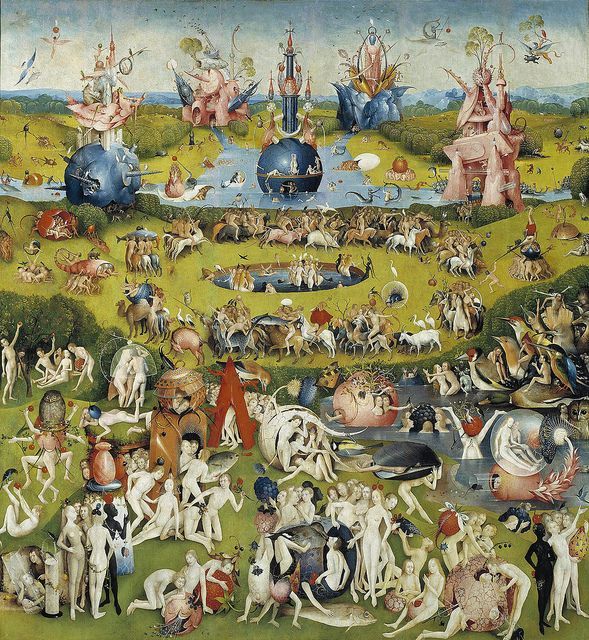
The fantastic landscape was born in the artistic creation of the 15th century, where artists were tempted by the mysteries of nature, fascinated by its catastrophic forces and frightening spectacles, from the religious conflicts of the time that took on unimaginable dimensions and cruelty with states of the dark depths of the human spirit. We encounter this genre of painting in the creation of: Mathias Grunewald – The Altar of Innsenheim, where a strange atmosphere and vegetation with hideous monsters are represented, Hieronymus Bosch – The Garden of Earthly Delights, that apocalyptic landscape, sprinkled with symbolic fruits, oversized birds, bizarre images and unimaginable beings.
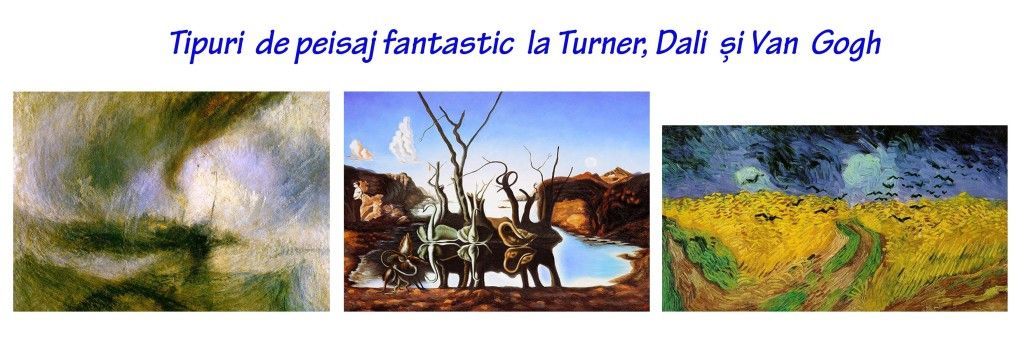
Later we will encounter the same strange landscapes with a depressing atmosphere in the creations of William Turner, Salvador Dali and Vincent Van Gogh, the latter reintroduced the sense of tragedy into modern art with landscapes in which anxiety, doubt, all feelings and emotional states are transmitted on canvas.
The imaginary landscape signifies the aspiration for meditation and dreaming, the individual imaginary imposes the thirst for space and light (Janos Thorma - Autumn Landscape).
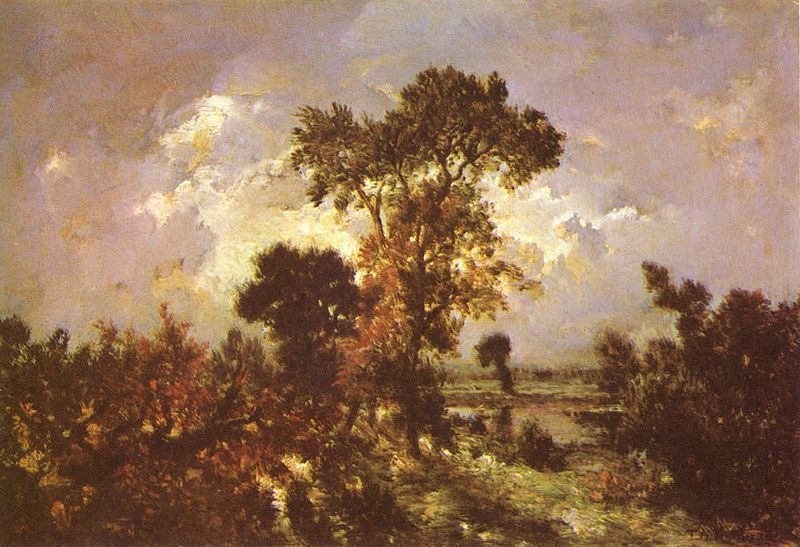
The dramatic landscape is found, through tense expressions and the drama of the light-shadow conflict, in the painting of Theodore Rousseau.
We will encounter the rhetorical and pathetic landscape in the painting of the Spaniard Narcis Diaz de la Pena, where, inspired by romantic historical motifs, he will introduce sharply lit characters into his landscapes, in contrast to the fearful atmosphere of the impact of light with diffuse shadow.
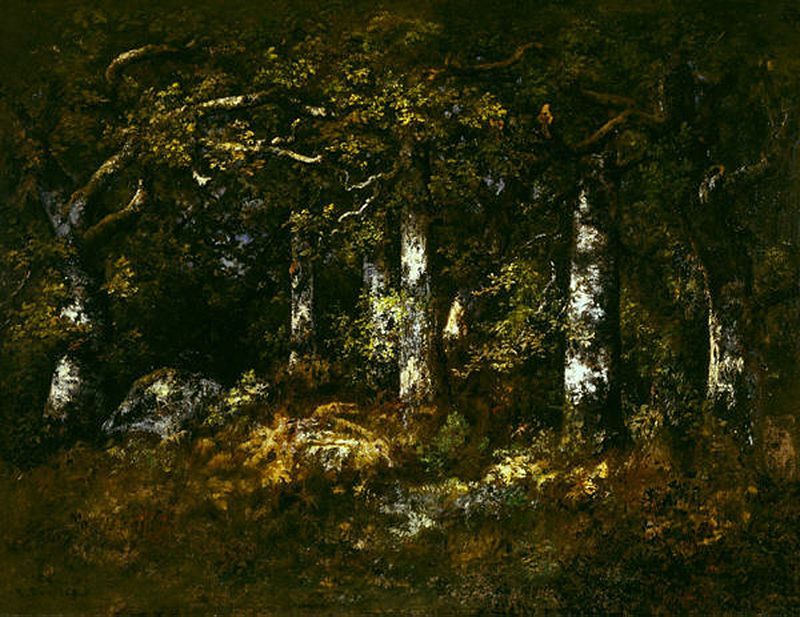
The lyrical landscape is best represented in the work of Charles-Francois Daubigny, where the entire pictorial register is bright, colorful, with a simplification of tones (like watercolor), but at the same time spontaneous and the vibration of color on large surfaces (like a sketch), announcing the emergence of impressionist painting.
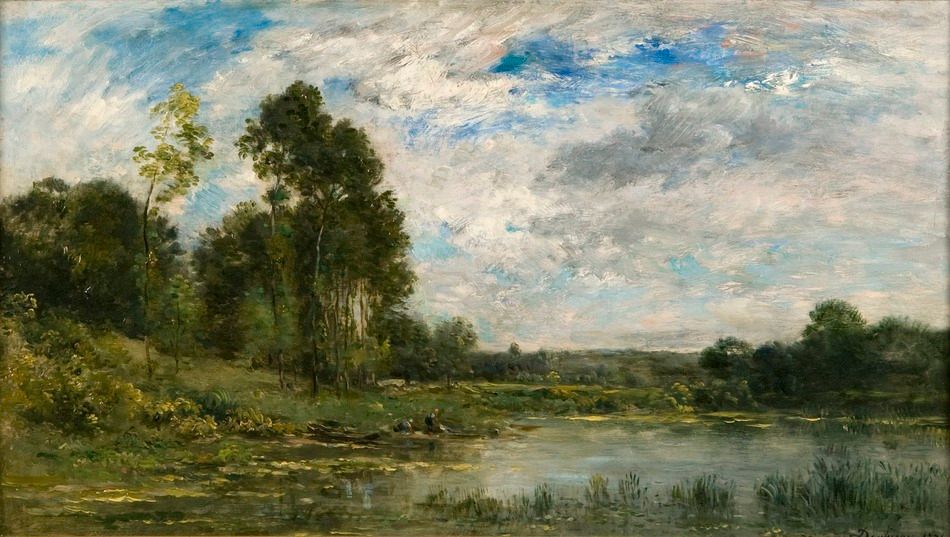
Constructive landscape. This type of landscape is realistic in nature, down to the filigree brilliance of the grass, but with fluidizations of a romantic sensitivity and an acute sense of the architecture of the composition and the synthesis of the landscape, best found in the work of Jules Dupree.
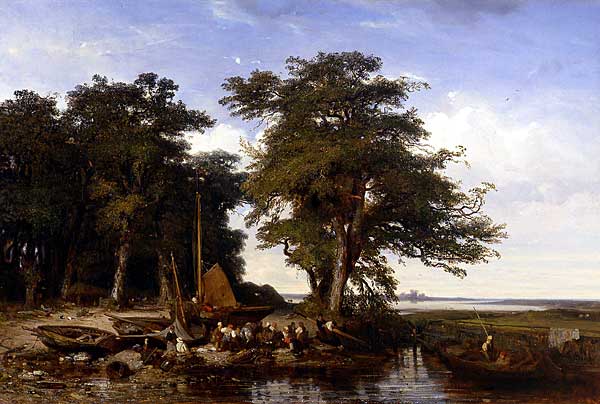
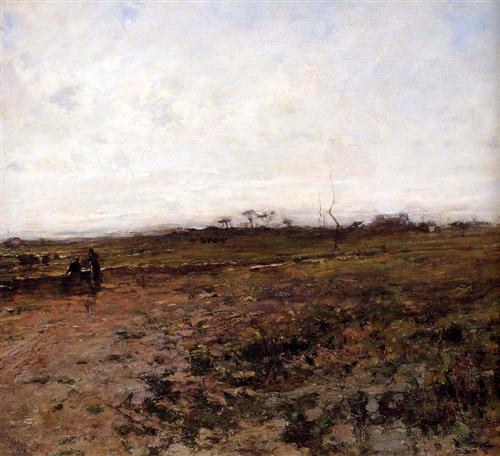
We find the meditative landscape best embodied in Jean-Francois Millet, where, attracted by rustic themes, he promotes peasant, humble, miserable themes of "silent labor", in the immensity of an empty space, with a distant horizon.
Tags
- landscape painting
- painting techniques
- nature in art
- art history