
Junk Art: Turning Trash into Creative Treasure
Junk art transforms discarded materials - metal scraps, wood, and everyday waste - into powerful works of creativity. Emerging in the 1950s with artists like Robert Rauschenberg, this movement challenged traditional art forms by proving that beauty and meaning can arise from the overlooked and unwanted.
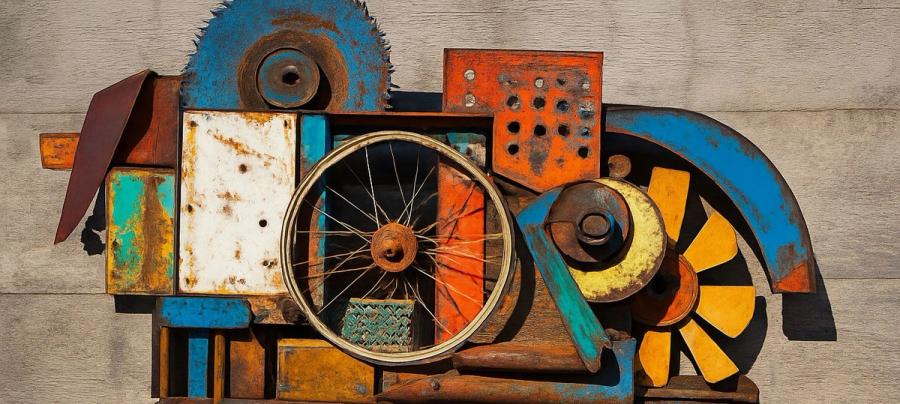
Junk art is an artistic movement that uses discarded materials and objects discarded in city landfills. Some art historians, insisting on the violent opposition of junk art representatives to traditional artistic materials and on their desire to demonstrate that art can be created from the most humble and worthless objects.
Junk art has its origins in cubist collages, Duchamp's ready-made works, and the works of Kurt Schwitters.
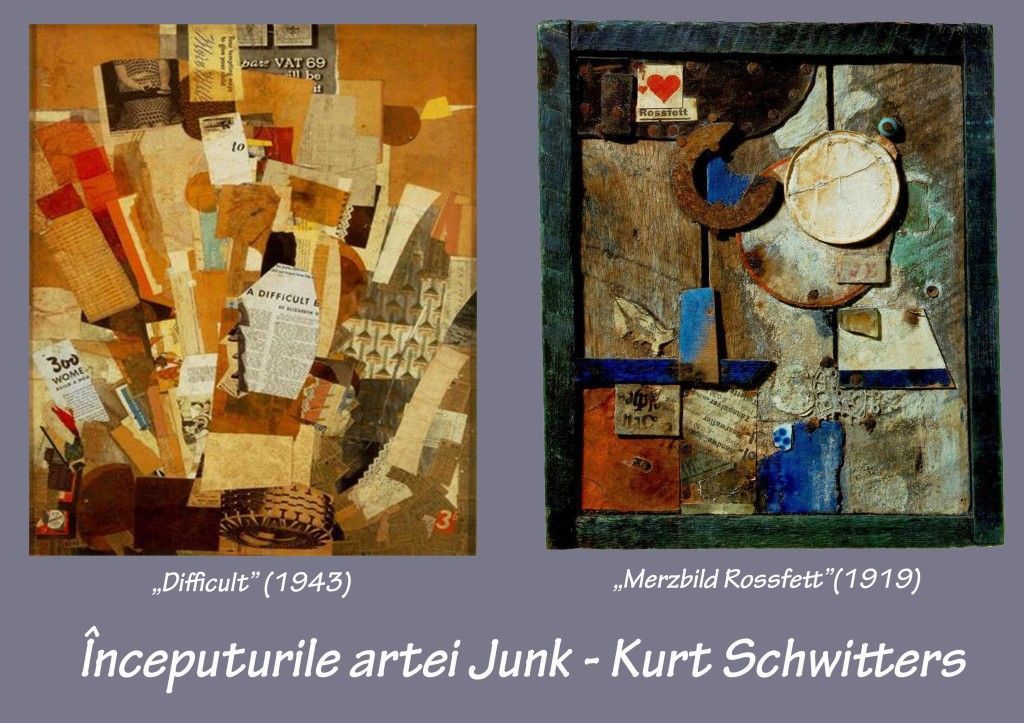
However, there was no such thing as a "junk movement" until, in the 1950s, Robert Rauschenberg used worn carpets and patches of canvas and fabric, fragments of reproductions, in his composite paintings.
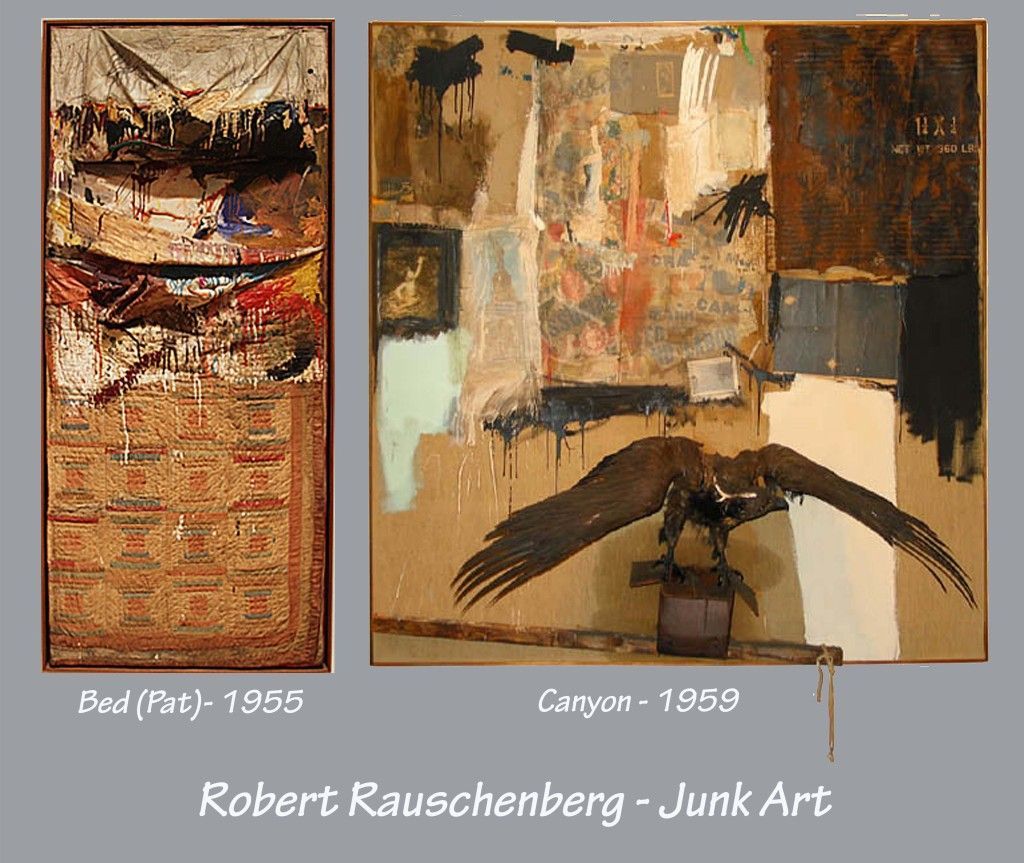
Lawrence Alloway was the first to give the name junk art to such sculptures made from scrap metal, broken cars, used boards, etc. in 1961.
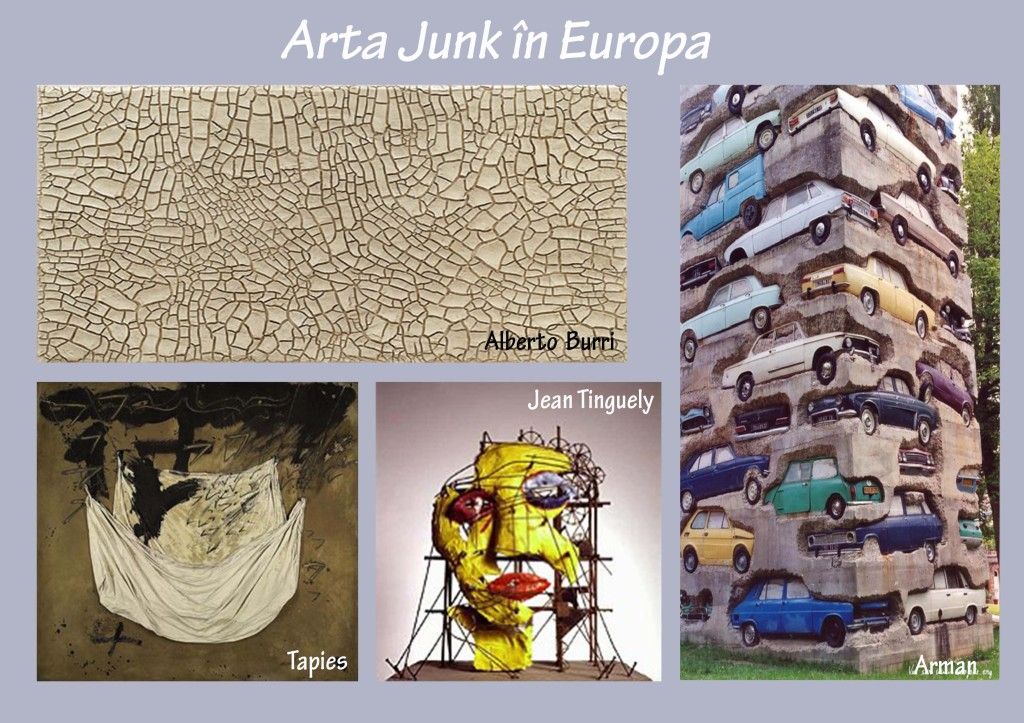
The Funk art movement in California used similar materials; other works of this kind can be identified in the work of Tapies and other Spanish artists, Burri and arte povera in Italy, Arman and Cesar in France, Eduardo Paolozzi in England, Jean Tinguely in Switzerland and several Japanese artists, who transformed various materials left over from World War II into works of art.
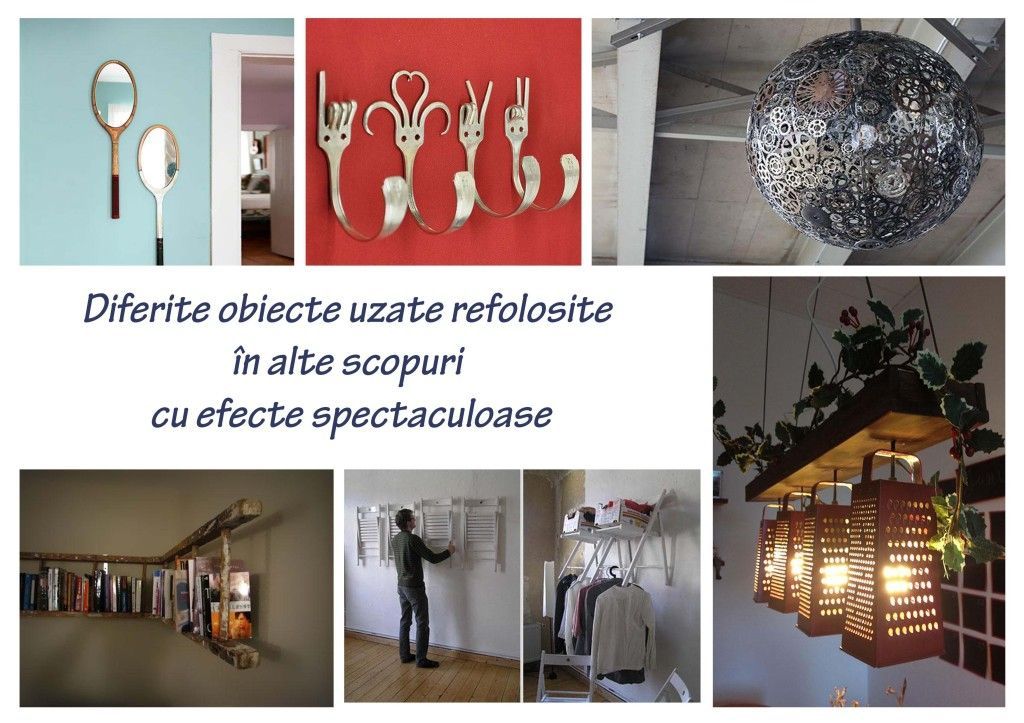
Today Junk art can even be integrated into our homes in a special, unique way. Here are some examples of how junk artwork can be integrated into your home design.
Tags
- junk art
- recycled art
- modern art
- sustainable art
- art movements