
Art Nouveau: The Elegant Revolution of 1900
Emerging around 1890–1900, Art Nouveau spread across Europe and America as a graceful rebellion against industrial monotony. Known as Modern Style, Jugendstil, or Sezession, it celebrated flowing lines, floral motifs, and harmony between art and craftsmanship.
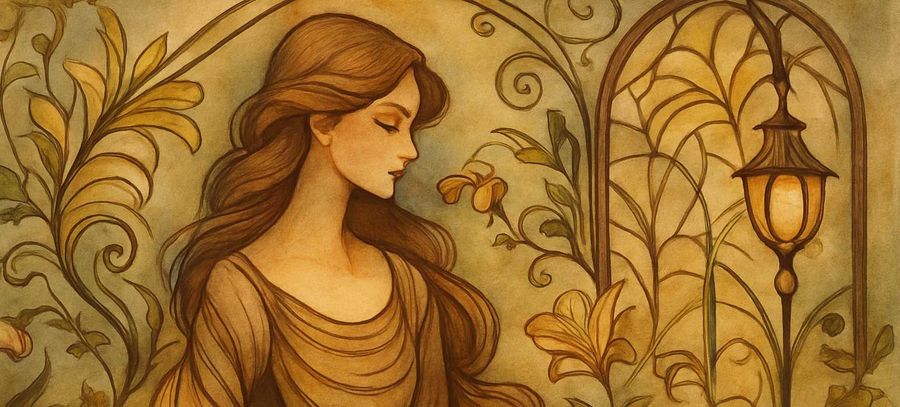
It suddenly appeared around 1890-1895, from the United States to Austria, passing through England, France, Spain and Scandinavia. Depending on the country, it acquired different names: Art-Nouveau, Modern Style, Jugendstil, Sezession.
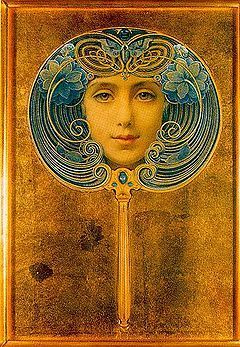
The flourishing of this style in art was facilitated by the connections that the artists belonging to this trend had with the symbolist media. The universality of the Art Nouveau movement touches all areas of artistic expression, producing a renewal of craftsmanship, a renewal of the "industrial arts", combined with the Japanese influence (since then the vogue of Japonism) and the return to the Gothic.
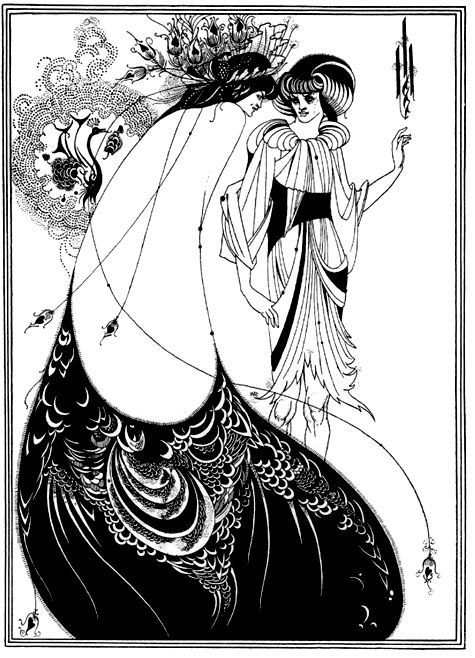
Japan brought to the Art Nouveau aesthetic primarily the imitation of natural forms, especially those of the plant world and the search for arabesque, and Gothic brought the taste for fluid lines (in England the Gothic Revival fashion). The stylization of form, especially when it comes to motifs borrowed from nature, transforms it into a sign and brings it closer to a symbol.
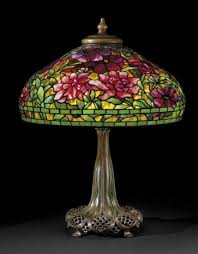
In the decorative arts and decorative objects, thinning or thickening appear, often suggested by fruits or foliage. In America we have the famous glassmaker Louis C. Tiffany (1848-1933) who associates with Siegfried Bing (1838-1905) opening a shop in Europe (under the name Art-Nouveau) getting involved in studying the renewal of the decorative arts.
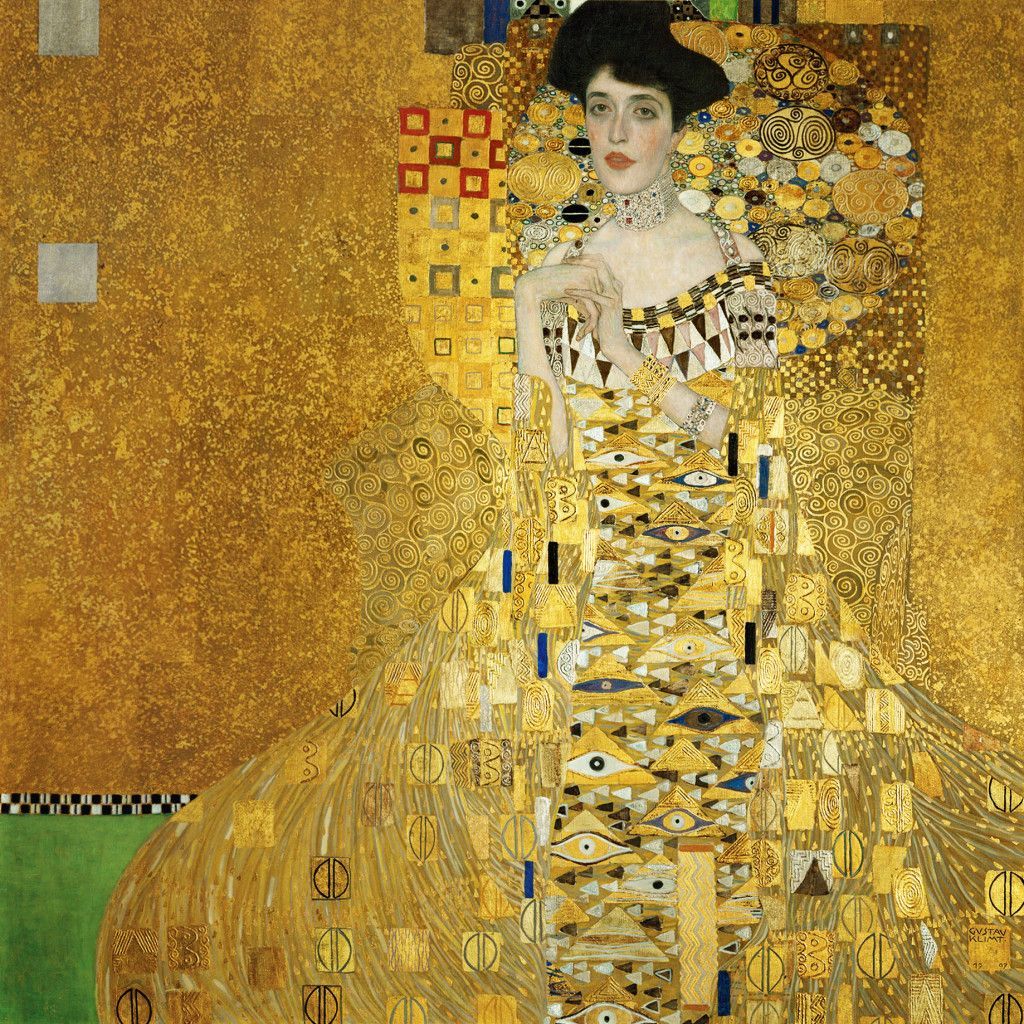
In Austria, the prominent personality of Gustave Klimt (1862-1918) will dominate the Art Nouveau period, as he is a painter concerned with adapting decoration to architecture, and will have the chance to create several monumental ensembles (ceilings, mosaics, etc.). In Klimt, non-figurative decorative backgrounds are associated with figures treated in a very realistic manner: the richness and brilliance of the backgrounds establish an atmosphere of preciousness and mystery by attenuating spatial landmarks.
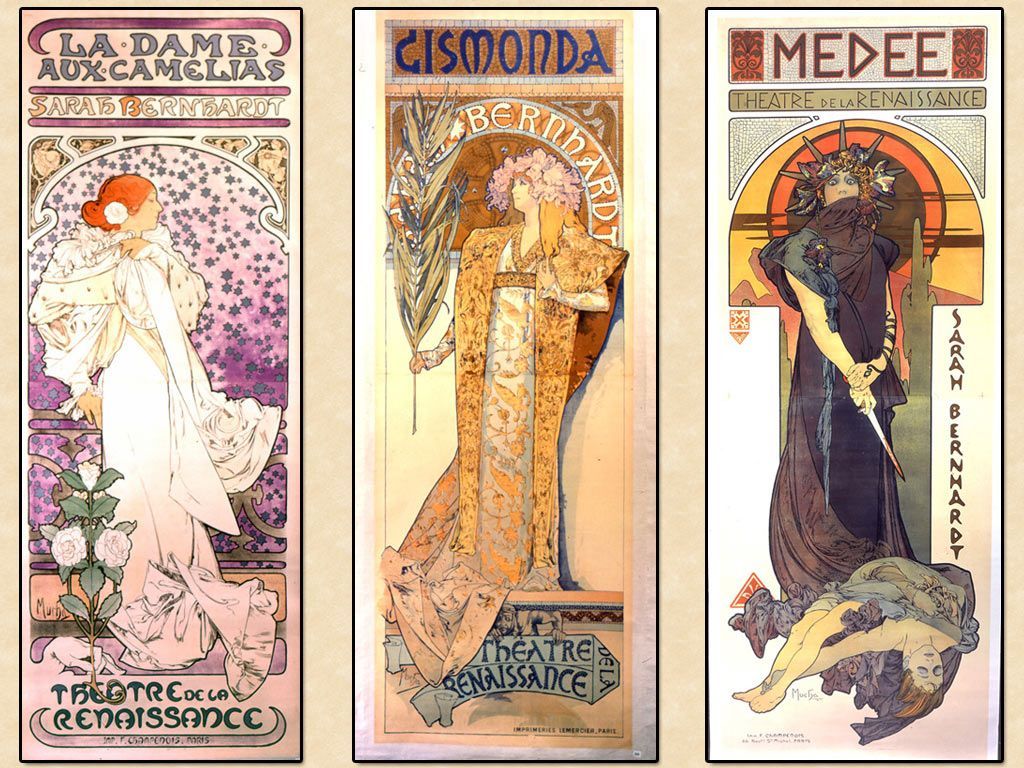
Paris plays a leading role in the development of the Art Nouveau movement, in addition to many other artists from various branches of the arts, we also have the graphic artist Alfonso Maria Mucha (1869-1939) who manages to create powerful creations, in which lines and colors are put at the service of the theme: his posters for Sarah Bernhardt bring him recognition.
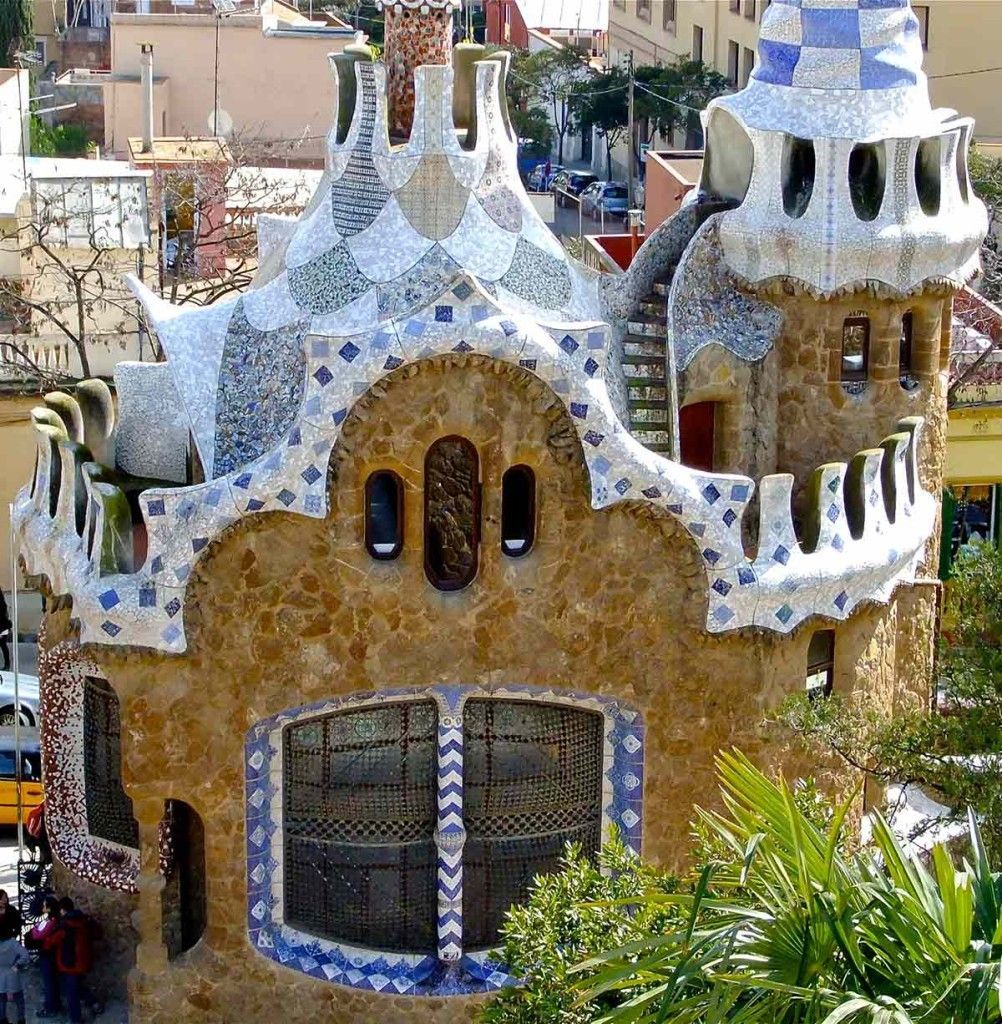
In Spain, in Barcelona, the architect Antonio Gaudi (1852-1926) carried out his entire activity, who was perhaps one of the most personal creators of Art Nouveau. His inspiration finds its sources in Gothic art, in Islamic arts, but also in pre-Romanesque art. His fantastic imagination breaks the ties with tradition, has unexpected variations of proportions, rhythms or decorations.
At the end of the article, here are some ideas for re-adapting the Art Nouveau movement today. Some characteristics to keep in mind:
1. Carved wood. In Art Nouveau, a special place was occupied by those intricate sculptures with a curvilinear appearance, with sinuous lines and motifs inspired by nature;
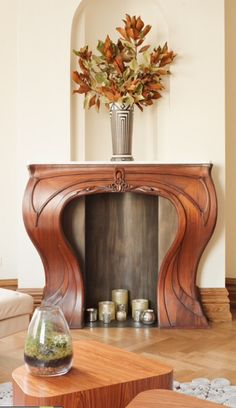
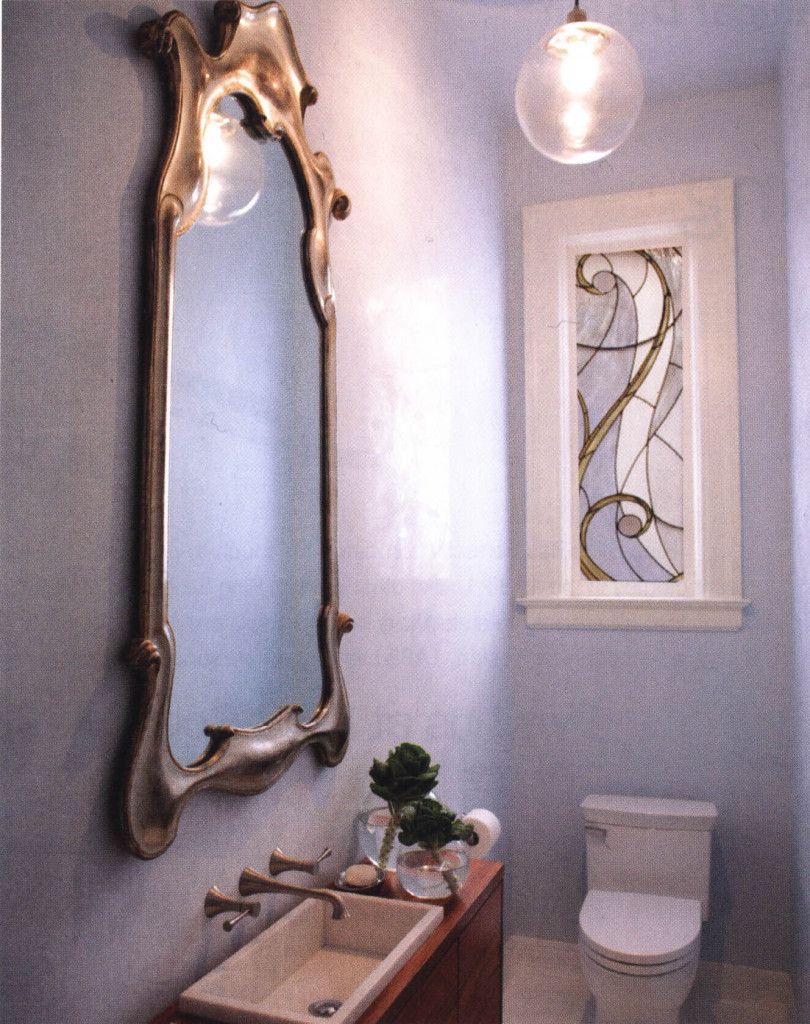
2. Metal objects. The Art Nouveau style quickly adopted decorative ironwork and cast metal, following the same wavy, asymmetrical, and organic lines. 3. Stained glass can easily adapt to modern and contemporary interiors. Follow the curved lines of Art Nouveau, but limit their use to just one light fixture or window, as in this bathroom for example.

3. Stained glass can easily adapt to modern and contemporary interiors. Follow the curved lines of Art Nouveau, but limit their use to just one light fixture or window, like in this bathroom for example.
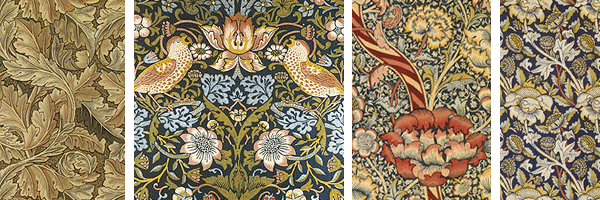
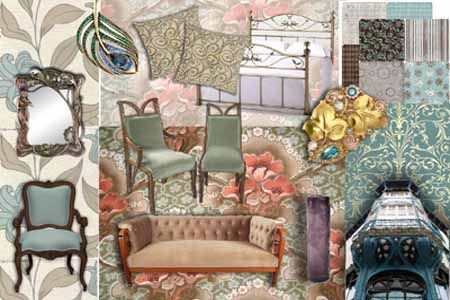
4. Specific textile print. Art Nouveau patterns found in textile arts can complement an interior, in a happy way to give that specific air. But don't overdo it here either, often a piece such as pillows, a picture frame or the upholstery on an armchair is enough.
Tags
- art nouveau
- modern style
- decorative arts
- art history