
Symbolism of Color in World Cultures
Throughout history, colors have carried deep symbolic meanings - from magical powers in Prehistoric times to sacred, royal, and emotional associations across cultures. Red for life and passion, blue for divinity, green for renewal - every hue tells a story. This exploration of color symbolism reveals how shades have shaped belief, art, and emotion from ancient Egypt to modern art.
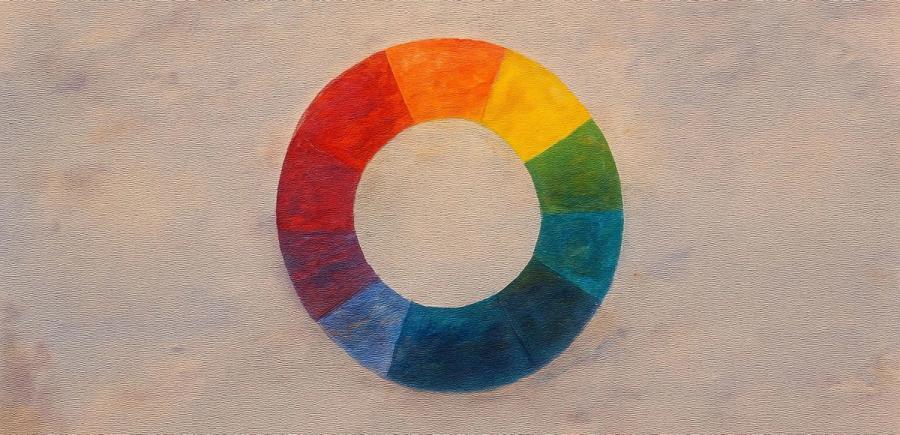
The tendency to associate colors with various secret meanings is present throughout the history of humanity. To speak, therefore, about the symbolism of a color means to admit that that color does not exist only as a presence in itself, but has a connotation, it is at the same time a code, a warning signal, a psychic signal – beneficial or evil. Of course, this symbolic “dimension” of colors differs from one period to another throughout the history of color symbolism.
In Prehistory, for example, color was attributed magical powers, so red represented for prehistoric man the fundamental vital element (blood, life, sunrise and sunset). Evidence has also been found that Neanderthal man painted his face and body in red, white and black, like some primitive tribes today.

With Antiquity , the symbolism of colors diversified. In Egyptian symbolism :
- The blue of lapis lazuli symbolized the sky, respectively immortality – it was the color of the high priest's robes, but also the insignia worn by soldiers, signifying fidelity;
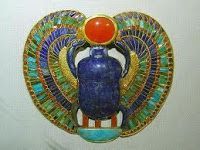
- Yellow and gold also signified immortality;
- Green represented vegetation, symbolizing youth and vitality;
- Black suggested eternal life and the underworld gods;
- White had a bipolar character - on the one hand it symbolized joy, and on the other hand mourning.
- Red often had a sinister character, being associated with aggression (in some papyri, the words "evil" appear written in red.)
In Chinese symbolism:
- Red represented the sky and the masculine, positive element.
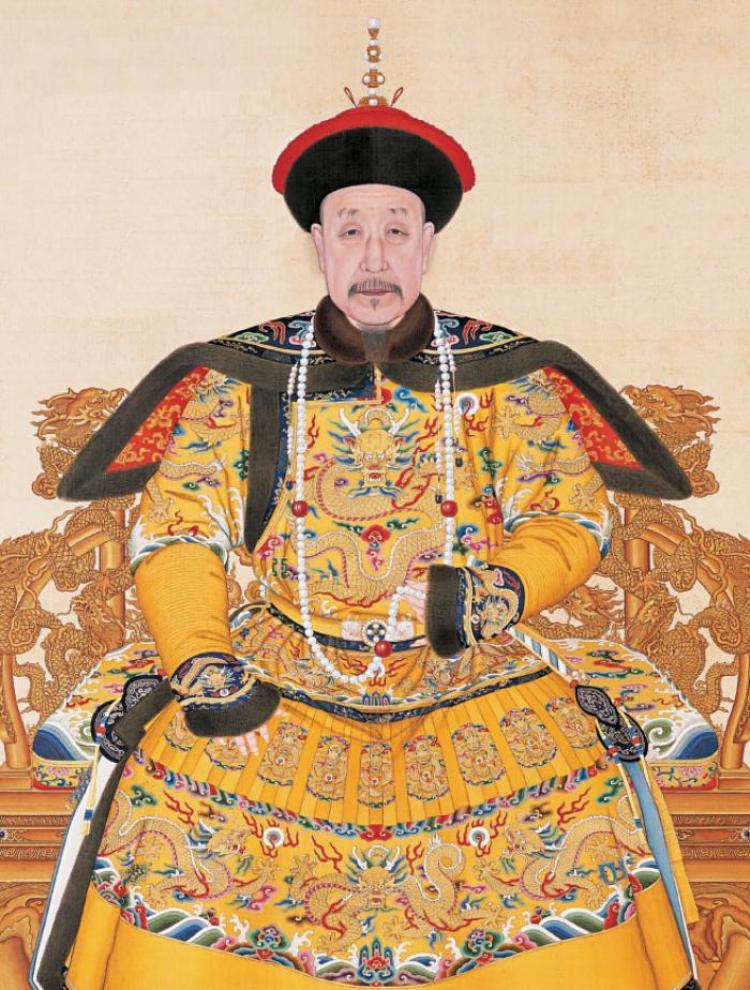
- Yellow was the color of the emperor, only he wore yellow clothes, the color was also associated with wisdom; on the other hand, it symbolized the earth, femininity and the negative element;
- Blue was the symbol of immortality, in some parts also of mourning;
- White was also associated with mourning;
In the Middle Ages, the symbolism of colors reached its maximum development, as follows:
- Red signified the blood of the Savior, but also fire, divine love, and later charity and martyrdom;
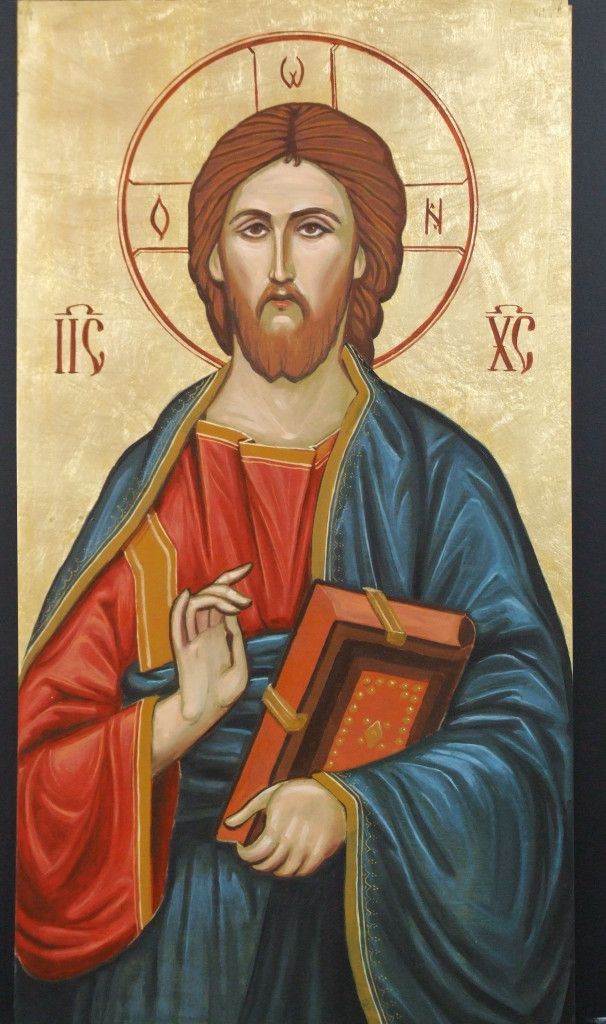
- Yellow represented divine light and was the color of spiritual garments;
- Green represents eternal nature, but also life, justice, youth, hope;
- Blue – the aspiration to heaven, and in later times also purity, sincerity, mercy, peace, virtue and divine wisdom;
- Purple – heavenly glory, but also royal, imperial and papal power;
- Purple is the symbol of repentance (a symbol still valid among Catholics today)
- White signifies righteousness, but also truth, purity, and joy;
- Black – atonement, mourning, sadness;
- Brown – evil, hell;
- Gray – bitterness
- Gold – divine power and glory
In the Renaissance and the following eras, the meanings of the colors from the Middle Ages were transmitted, but their secret meanings attracted the interest of illustrious personalities. Leonardo Da Vinci, for example, in his Treatise associates a number of five main colors with the natural elements, implicitly giving them symbolic meanings:
- White represented light;
- Yellow – earth;
- Green – water;
- Blue – air;
- Red – fire;
- Black – darkness;
Major differences in color symbolism can be observed in different geographical areas:
a) In Islamic India, yellow still signifies plague, quarantine;
b) Among Muslims, green is the color of the Prophet and faith;
c) In China, white and blue symbolize mourning;
d) In Japanese painting, red is faith;
e) In South Africa red is the symbol of freedom and joy
f) In Tibet, red signifies the color of the sacred;
The main European chromatic symbols ;
- Red signifies strength, passion, struggle, revolution, dynamism, love, blood, fire; the color also has a bipolar character: positive - power, royalty, military leadership, negative - the executioner's hood, the lantern of brothels;
- Vermillion symbolizes desire, eroticism, dominance
- Orange symbolizes energy, joy, solar warmth, the abundance of the earth, optimism;
- Yellow still has bipolar meanings: positive – the sun, light, greatness, power, wealth, nobility, joy, science and negative – shame, envy, jealousy, epidemic;
- Green – nature, youth, vitality, fertility, tranquility, conciliation, contentment, hope;
- Blue – infinity, fidelity, nostalgia, contentment, calm love, coldness;
- Purple – power, wealth, pomp;
- Violet – old age, sadness, seriousness, discouragement, Christian repentance, but also mourning in the Catholic Church;
- White – light, purity, virtue, peace, friendship and sincerity;
- Black – darkness, nothingness, evil, death, mourning, regret, pain, gravity, sadness, hostility, solemnity;
- Warm gray – majesty;
- Cold gray – poverty;
We must admit that in modern and contemporary art the symbolic meaning of colors has a more modest place than it used to, and when it appears, it is overshadowed by the novelty of language. However, modern art, characterized more by suggestion than narration, still produces complex states in the mind of the viewer that are tangential to the symbolic meanings of colors.
Tags
- color symbolism
- color psychology
- cultural meanings